

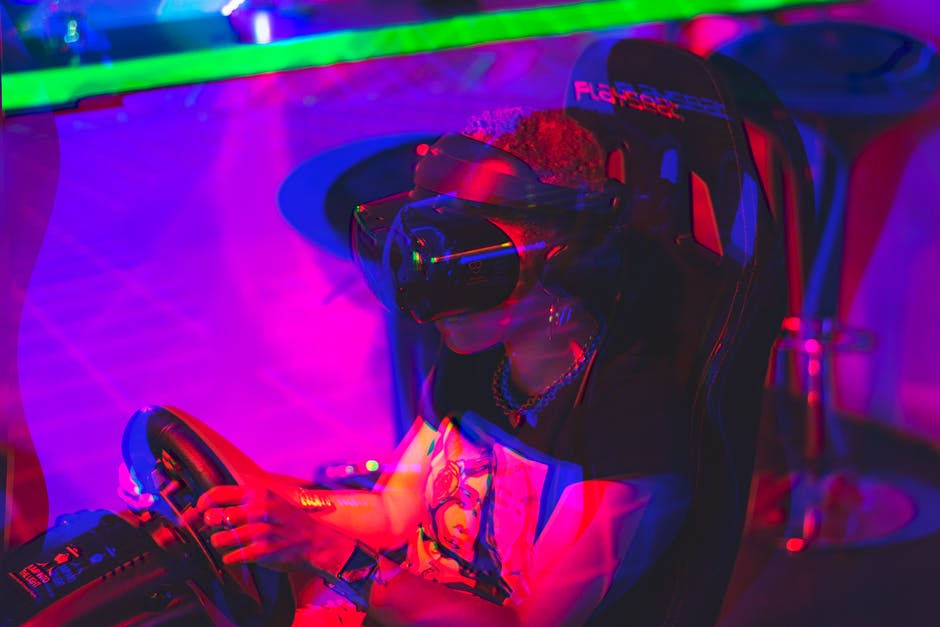
9 of the Best PC Racing Games You Should Be Playing
In America, 43 percent of adults say they play video games either often or sometimes. Even as new consoles continue to reach the market, PC games remain popular.
Racing games appeal to both novice gamers and competitive players alike. From physics-defying games to simulators that put you in the driver’s seat, there’s a title out there for every play style.
Do you want to try racing games for the first time but you’re not sure where to start? Keep reading to discover our picks for the best PC racing games on the market right now.
Contents
Forza Horizon 4
Forza Horizon 4 revolves around seasons and weather, immersing the player in various scenarios. The different seasons make gameplay more challenging. It also simulates the feeling of driving in different real-world environments.
You complete events and try to build enough influence to switch seasons. You can also race with other players, and compete in daily or weekly challenges. With both online and offline play options, there’s plenty of content to keep busy.
The game has 450 licensed cars to collect and each one handles a little differently.
Project CARS 2
Project CARS 2 takes the original game and makes improvements where they matter the most. Realistic handling and heightened performance allow the player to focus more on the thrill of the race and less on their mistakes.
In career mode, you can choose from a variety of different entry points and goals. Picking different paths allows the player to do more with their preferred play style. For example, players can choose to start karting and work their way to the race track or take a shot at RallyCross instead.
Online play is a big part of the experience in the sequel. Players can compete for ranking positions or take a shot at the championships.
Dirt Rally 2.0
If you’re a hardcore rally racing fan, Dirt Rally 2.0 allows you to live the experience. Although returning players might find it easier to jump into the game, new players can enjoy the experience, too.
The new AI is more forgiving when it comes to mistakes. This can make the game more enjoyable as you hone your skills. Plus, it allows you to adjust the difficulty higher as you get better.
The terrain feels more realistic thanks to surface degradation which impacts the track. The added realism makes it feel more like you’re racing down the dirt roads yourself, adding to both the experience and the challenge.
iRacing
iRacing is the most realistic motorsport recreation you can find and the closest most of us will get to driving a real race car.
iRacing is a sim racing service that allows players to experience and race on tracks from around the world. Not only can you take a spin on all the NASCAR tracks, but you can also join leagues and compete for real prizes.
Members pay a subscription fee to access all content. All you need is an internet connection and driving wheel to get started.
iRacing is perhaps one of the few games that professional drivers use, which says a lot about the simulation’s realism.
Shift 2
Where Shift 2 shines is the dynamic view feature which allows the player to change seamlessly between viewpoints. Switch from the driver’s seat to the car view to avoid obstacles and take tight turns.
It also has a depth-of-field feature, focusing on or blurring out certain elements and making it easier to focus on the track during the race.
This feature makes it one of the easier PC racing games for beginners without any prior experience.
TrackMania 2: Canyon
When it comes to racing games, some players put track design above all other gameplay elements.
TrackMania 2 brings you back to your days as a kid playing with Hot Wheels and sending your car through gravity-defying loops. The game doesn’t focus so much on realism as seemingly impossible tracks that are all about the fun factor.
It’s a different type of racing game and a great starting point for beginners. But that doesn’t mean there aren’t challenging aspects to the game. If anything, the online competition is more fierce and unpredictable with player-made tracks that defy physics.
Driver: San Francisco
The fun part about Driver: San Francisco is the dream scenario plotline. You’re essentially possessing drivers to take over instead of stealing their cars.
The setting features all the winding roads and steep hills of San Francisco, plus a great soundtrack that adds a dash of 1970s flair.
The biggest draw of the game is the ability to switch between vehicles while on the road. It allows you to create obstacles in a high-speed chase or outmaneuver your competitors in a race. Players can interact more with the outside world, creating funny or satisfying scenarios.
F1 2019
F1 2019 continues to deliver as the best game in the series. The AI allows you to adjust your difficulty level based on your skill and preference. It’s a solid title with enough variability to appeal to both beginners and pros alike.
The game is a nice mix between realistic handling and physics-cheating maneuvers making it ideal for casual gamers.
But it’s the off-the-track content that sets the game apart. Tackle career mode and create your own underdog story as you rise through the ranks in story mode. Or you can stand out in multiplayer mode as you customize your car with an array of cosmetic items.
Forza Motorsport 7
In Forza Motorsport 7, the environment plays an active role on the track, which adds to the experience and challenge of the game. For instance in Dubai, desert sands blow across the track and bring the game to life.
Weather also plays a part and both rain and standing water impact your traction. Foggy conditions can create real obstacles, forcing players to think strategically.
The game also puts a heavy emphasis on careful attention to detail on each car. With over 700 different cars to unlock, there’s a lot of content here to explore.
Take the Best PC Racing Games for a Test Drive
Whether you’re a casual gamer or a seasoned pro, it’s easy to spend hours playing these games that put you behind the wheel.
Depending on your skill level and the type of racing game you love, you might enjoy some of these titles more than others. But we recommend giving all of them a try because they each have their strong points.
If you enjoyed this article on the best PC racing games and you’re looking for more recommendations, check out the rest of our site. From the latest news to entertainment, we’ll keep you in the loop.
Comments are closed.