

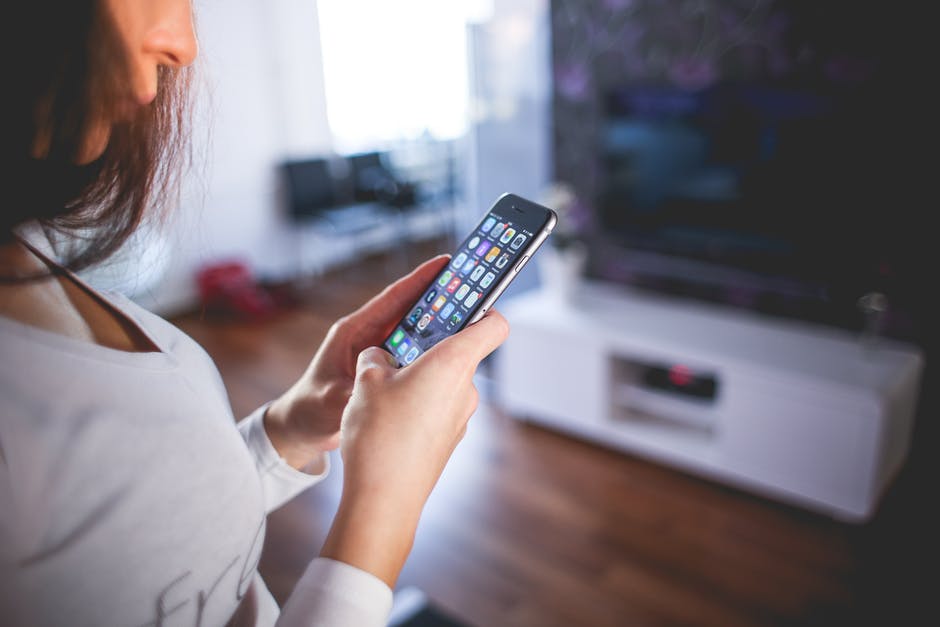
Rest Easy: What’s The Best Home Security App For Ultimate Peace-of-Mind?
There’s nothing like the comfort of sleeping in your own bed and knowing everyone under your roof is safe and sound. This is one of the ultimate pleasures of life. But, it’s one that can easily be compromised if your home isn’t secure!
You need to think beyond locking your doors and turning the lights off if you want to keep your home safe. If you haven’t done so already, it’s time to invest in an alarm system and a home security app to help you prevent your home from harm. Such tools will ensure you’re safe in the middle of the night and they’ll help you keep an eye on things as you’re out and about throughout the day.
The only question is, which home security system should you buy?
This isn’t a decision you should make impulsively. You need to do thorough research to find the system that best fits your need.
Thankfully, the following guide can help you do just that! Keep reading for an overview of what to look for in a home security app and the best apps out there.
Contents
Top Things to Look for in a Home Security App
Not all home security apps are made alike. Some offer more functions beyond setting an alarm and watching real-time video, while others barely cover the basics.
The good thing about the simpler models is that they tend to be cheaper and more straightforward to use. However, it may be worth getting an app that’s more in-depth and better prepared to fit all of your home security needs.
The most important things to prioritize when looking for an app are:
1. Ease of Use
It makes no sense to spend so much time choosing a home security app if you can’t figure out how to use it. Not to mention, it would be a shame to do all your research only to realize the app you want isn’t compatible with your phone!
You need to check that the home screen, navigation, and controls available to you on any given app are easy to understand. There should be no gimmicks or confusion when it comes to the protection of your home.
2. Compatibility with Home Plans and Devices
In addition to making sure an app is compatible with your phone, you have to check that it can sync with the cameras and alarm system you may already have in place. If you don’t have any home security devices yet, make sure the items you purchase are compatible with the app you want to buy.
Otherwise, you won’t be able to create the full security system you need. At least, not until you figure out how to best match all your cameras and alarms to your app. Focus on this now so you don’t have to start over later.
3. Ability to Control Lights and Cameras
It’s one thing for an app to sync with a camera and show you what’s going on, and another for it to be able to control the camera while you’re out of the house.
You need your app to be able to turn the cameras on and off anytime, anywhere. This gives you the peace of mind you need when you realize you forgot to turn the camera on before leaving for work or when you’re on vacation and want to check in.
The ability to control the lights in your home and the alarm settings is nice, too.
4. Adjustable Home Settings
In addition to controlling cameras and alarms, a home security app should be able to do things like adjust the temperature and switch the locks in your home. This not only helps you keep everything safe, but it can help you save on energy bills and maintain a comfortable indoor environment for pets and children while you’re away.
Keep in mind that your thermostat will have to be compatible with your home security app and cameras. As you’re figuring out how to connect these different tools in your home, you may even decide you want to control the garage door and use voice recognition functions, too.
5. Video Playback
The final thing to look for from a home security app is the ability to play videos back to you. It does you no good to only be able to check cameras in real time if you realize an incident did happen to your home and you need to figure out what went down.
The ability to play back videos can help you catch unknown intruders or simply catch your pets/kids in action if they get into trouble while you’re away.
The Best Home Security Apps Available Right Now
Keep in mind that you need to prioritize all the functions of a home security app mentioned above.
Maybe you don’t care so much about controlling the garage and the thermostat as you do about checking the alarm system and being able to monitor security cameras. Maybe you prefer to have a standard, basic security system instead of something that’s over the top.
Either way, it’s good to know your options.
Here are the best apps to choose from.
1. LifeShield
LifeShield is powered by DIRECTV and makes setting home security functions almost as easy as changing channels on the TV.
This system allows you to create unique access codes for everyone in your home and trusted friends like the babysitter, dog walker, and the pool guy. Each different code helps you track the comings and goings of all the people who have access to your home.
More so, you can check still camera shots if you need to get a closer look at someone’s actions. You can also set and disarm the alarm from wherever you are in case a trusted friend/family member without an access code needs to get in.
2. Reolink
The cool thing about Reolink is that there’s no syncing or configuration needed to set up your security system. You basically just have to plug in the compatible cameras, download the app, and adjust all the settings to your liking.
This app allows you to monitor the activity in your home in real time and it comes with motion detection capabilities that will notify you of anything suspicious. You can access the system from anywhere, anytime.
3. Alarm.com
Last but not least, Alarm.com.
This system goes beyond the standard live camera and playback functions. Alarm.com also allows homeowners to search event history in the security logs and receive alerts from flood warnings.
The app can control lights, thermostats, and locks, too.
Tech Tools and Reviews for Home Security, Entertainment, and More!
As important as it is to keep your home safe, it’s also smart to make it work better for you. Thanks to the wide range of smart home technology out there, homeowners can do a lot more these days than just download a home security app.
There are apps and smart tools out there for everything from streaming TV to controlling the thermostat to turning on appliances in the kitchen! These are changing the traditional responsibilities and actions of homeowners for the better.
Comments are closed.