

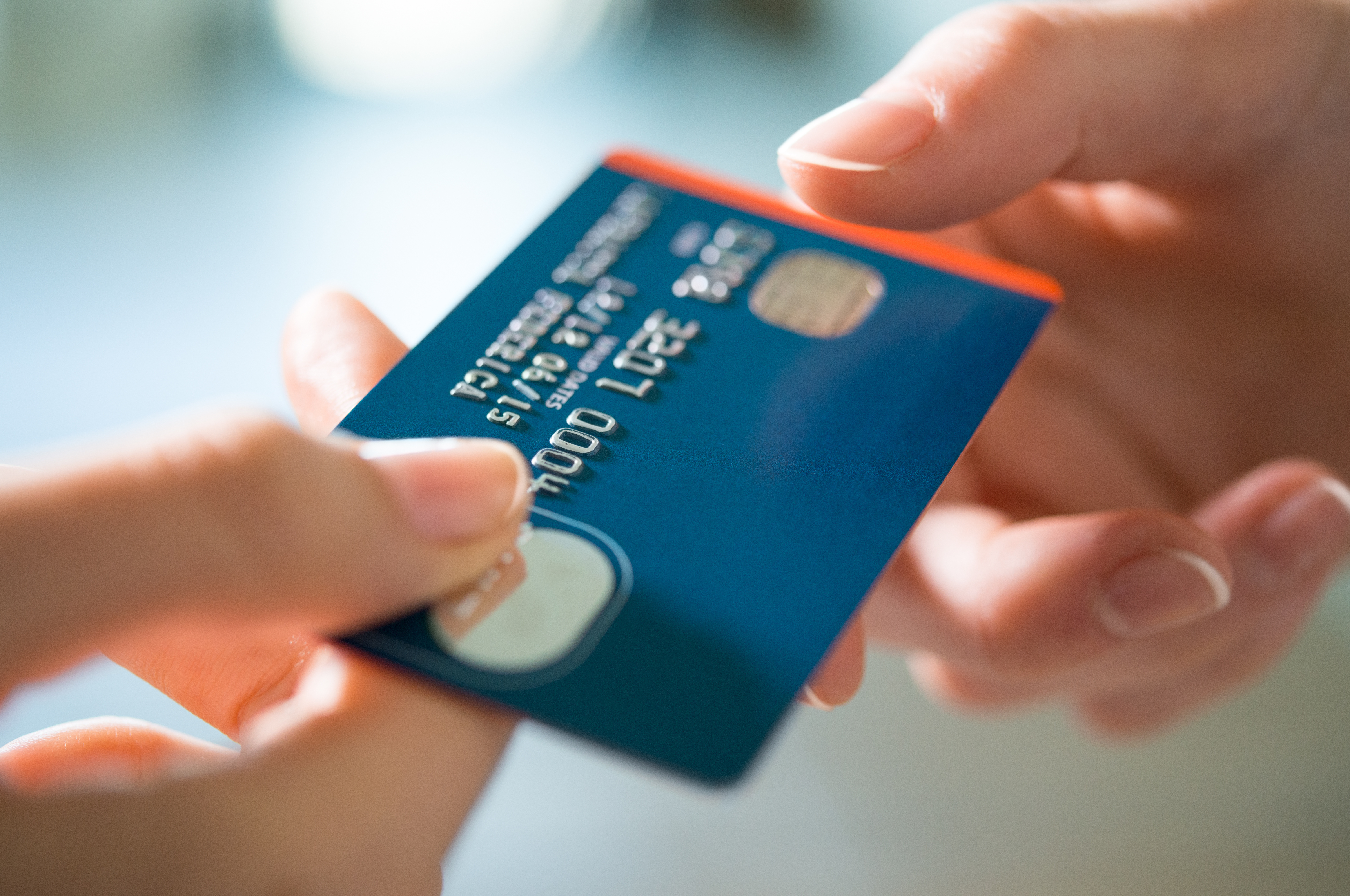
Why Your Business Needs to Start Accepting Credit Card Payments
Is your business still cash-only? Did you know that accepting credit card payments can turn your business around?
How many people have you had to turn away at the counter because they didn’t have cash on them? Even if you have an ATM on site for that one-time purchase, they probably won’t return again.
Instead of having a new, reliable customer, you have a customer that won’t come back because they never have cash on them.
There are plenty of benefits to accepting credit cards in your business. Read on to find out what they are.
Contents
It’s Simple. People Use Credit Cards.
“Hey, Joe. Do you have a couple of bucks on you?”
“No, I don’t have cash, just cards.”
Conversations like that happen countless times a day. The fact is that people are carrying credit cards more than cash. About 41% of people carry cash around with them on a regular basis.
If you look deeper at those numbers, you’ll find that Millennials don’t carry cash with them at all. They view cash as inconvenient.
What that means for you and your business is that if you target a younger audience, they’ll expect to be able to pay with their card. You’ll lose a customer at checkout or they won’t bother to order when they find out it’s a cash-only establishment.
For most people, cash only presents a challenge. If you want to eat at a restaurant that’s cash only, you have to find an ATM. You’re likely to pay additional fees for the privilege of having cash.
Target for Criminal Activity
Accepting cash only payments can make your business susceptible to theft. Employees are your number one reason why your business loses money. It’s very easy for employees to skim a little cash here and there you don’t think twice about it.
Another reason why a cash-only business is a target is from outside sources. A thief can see that your business is cash only, and they’ll assume they can go in, make a lot of threats, and walk out with a lot of cash.
Cash is More Expensive
This past holiday season, some retailers refused to accept cash payments. One reason why was because of employee theft, as noted above.
What retailers realized was that handling cash was more expensive than running credit card payments. That includes paying a small percentage of the sale in fees.
When you think about it, you or your staff have to count bills, make bank runs, make sure registers have change. Instead of paying 3-5% of sales in credit card fees, you’re paying 9.1% to handle cash.
Improve the Customer Experience
There are many forms of technology that can help your retail business improve the customer experience.
You can improve your customer experience by accepting credit card payments.
If you have a brick and mortar location with an online store, your customers are already used to paying with a credit card online. They would just assume that you can pay with cash at the retail location, too.
Not only that, when customers are at your register, you want the checkout experience to be as seamless as possible. Customers want speed and are looking to payment options like Google Pay and Apple Pay to complete the transaction.
When customers want speed in the checkout line, they don’t want to wait around for someone to come to the register with a roll of quarters to complete the payment. They also don’t want to wait around for your clerks to count and recount cash.
Getting Paid from Clients Is a Chore
Let’s say that you’re a freelancer or consultant. You probably get paid in checks and sometimes through purchase orders.
That can turn into a lot of chasing. The last thing you want to do with your time is to chase money. What you want to do with your time is to work with your clients without having sticky conversations about money.
all about convenience for your clients. They’re busy, too. They only work on the books and write checks a couple of times a month. They’re likely to forget to send payment. Not out of wanting to pay you. Paying you isn’t the priority unless you make it one.
Accepting credit card payments takes the guesswork out of when you’ll get paid. With a credit card payment system, you can set up automatic invoicing, and automatic payments for recurring customers.
That can turn into better cash flow management for your business. For solopreneurs, it can mean the difference between knowing the bills are paid on time and hoping that one payment comes through.
How to Accept Credit Cards
Do you know the level of opportunity that accepting credit cards present? To take advantage of that opportunity, you’ll have to sign up for a credit card merchant account.
Take a look at this article to learn about the different payment systems and find out the best ways to get your payment system set up.
Accepting Credit Card Payments Is Good Business
Cash businesses are reluctant to change over to credit card payments because they want to avoid the fees. On the surface, that makes sense. Who wants to pay a small percentage to Visa and Mastercard when they’re billion-dollar companies?
What you don’t realize is that you’re not hurting the big conglomerates by being cash only. You’re hurting your own bottom line.
Accepting credit card payments opens the door to new customers, less criminal activity, and a smoother payment process. Customers are happy and so are your employees.
For more tips that are sure to help your business grow, check out these business articles.
Comments are closed.