

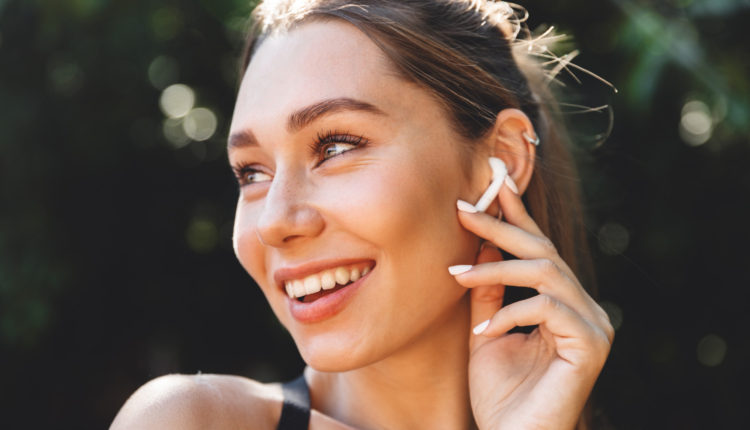
World’s Best Headphones: Top 3 Best Headphones of 2020
Do you work out at the gym? Do you live near a beach and want to listen to your favorite audiobook while walking? Then you’ll want some wireless headphones to avoid having to place wires all around your body.
Wireless headphones today are waterproof and allow you to make phone calls or checking the weather simply by saying a command.
Here’s everything you need to know about the world’s best headphones.
Contents
1. Apple Airpods Pro
Apple Airpods Pro are great if you have a computer like a MacBook Pro 16 inch or an iPhone 11. With Siri built-in, you can operate your Apple devices simply by asking for Siri and asking it the latest news, the temperature outside or you can even get Siri to answer emails for you.
Airpods Pro have a noise-canceling feature that normal Airpods don’t which means you can truly block out the outside world. They are also splash-proof so if you drop them in water it won’t matter and you can continue to listen to your Airpods Pro even if it begins to rain.
The cons to the Airpods Pro are that you could run the battery out pretty easily – within 12 months in some cases – and you cannot replace it. Instead, you would need to buy a whole new set of AirPods. You would not be covered under warranty.
If you’re looking for an alternative to Airpods then you could consider BlackPods Pro which many consider the best bass wireless headphones at the moment.
2. Beats Noise Cancelling Headphones 700
Where Airpods are discreet, Beats Noise Cancelling Headphones 700 go for comfort. They fit snugly over the ear and mean you can rest easy knowing they will never fall out as you go for your morning run.
They have 20 hours of battery life and come with the solid noise canceling feature to ensure you are left in peace and your own little world. With a price tag at double the Airpods Pro, you are going to be spending a lot and will need to establish whether the additional quality and bulkiness are worth it.
3. EarFun Free
These headphones come with Bluetooth 5.0 for lightning-fast connection and USB-C and wireless charging. They are even waterproof making them a great all-rounder.
Where these earphones are lacking is in quality. You won’t get the quality of sound that you would do in a more well-known brand such as the Airpods or Beats headphones.
The World’s Best Headphones? Depends On You
So what are the world’s best headphones? There is no right answer, this depends on your individual needs and your budget.
If you care more about features and having your headphones connected up to your devices then getting yourself some Apple AirPods Pro could be a great match. You can listen to audiobooks, hear the news, and reply to emails all from the comfort of your ear, without having to lift a finger.
If, however, you want headphones that are bulkier and feel nicer around the ears that also have a great sound quality then some Beats Noise Cancelling Headphones are for you.
Be sure to check out the rest of our blog to read more about the world’s best headphones.
Comments are closed.