

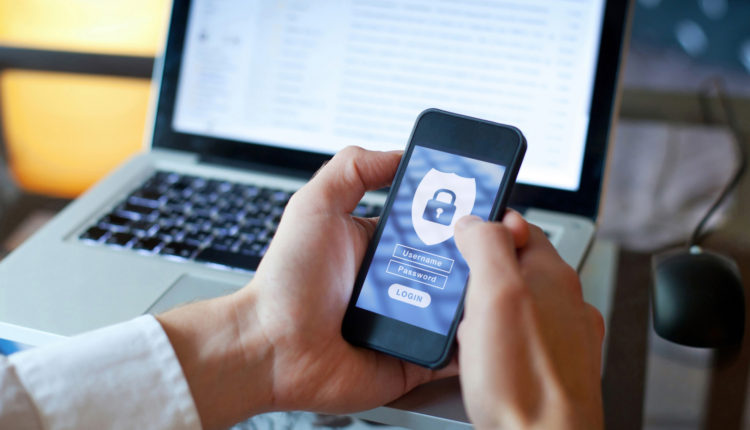
How to Protect Your Phone From Hackers: The Only Guide You Need
You charged your phone to 100% capacity. An hour later, you notice that your phone’s battery level has drained to 60 percent. Your phone never lost so much battery powder abruptly.
You believe that your battery is defective. Also, your smartphone’s Internet browser is sluggish. You suspect malware is at play. You must learn how to protect your phone from hackers, but you fear it’s too late.
What can do you?
The best way to prevent phone hacking is to update all the apps on your smartphone. Moreover, you should also have antivirus apps on your phone to protect your phone consistently.
You can also use apps to eliminate harmful apps and other hazards that you may not be aware of. This article will provide a comprehensive look at smartphone protection. Read further if you wish to know more.
Update Your Smartphone
To prevent phone hackers from breaching your phone, ensure that you have the latest upgrades. Software and app updates usually contain security add-ons that buffer your phone’s security.
If you encounter an update notice, install it immediately. You can also check your app menu to see if any apps need an upgrade.
Failing to update your phone regularly can make your smartphone vulnerable to attacks when you least suspect it.
- Example: You may receive a text in a foreign language. The message contains a bug that can infiltrate your phone. Hackers tend to text coded messages that contain malicious apps, even after you delete the message.
With that, you can block the harmful messages with the latest security protocols that address sophisticated hacking attacks.
Proactive Measures
To prevent phone hackers from accessing your phone, implement your common safeguards in conjunction with official security updates. For one, avoid clicking on unfamiliar emails or links. Regardless of the app or platform, the link could contain harmful malware or other bugs that can infect your phone.
Additionally, create individual passwords instead of using one or two passwords across many platforms. If a hacker figures out your go-to password, many of your accounts could be in jeopardy. Using different passwords for each account is a hassle, but you can keep a log of all your passwords to help you remember.
If you want to enhance your security measures, go to Google and conduct a check on your security protocols. The system will recommend important security changes that can keep hackers at bay. Another solution involves adding two-step verification requirements that make it harder for hackers to access your account.
Locking Your Smartphone
Implementing security locks can block hackers outright, especially if you lose your phone. Smartphones offer a security feature that requires a passcode before using it.
You may get a six-digit code option, but you may also have the ability to add more digits for stronger security. If the system allows it, include letters in your code to strengthen security.
You may also get a fingerprint security alternative where you access your phone using your finger-swipe patterns.
Don’t Give Out Your Phone Number
Think of your phone number as your Social Security Number. Only give your phone number to a trusted source when inputting information. A hacker can use your number and compromise your smartphone in the following ways:
- The intrusion of 2FA accounts
- SMS malware
- Mobile scams
If you must provide your phone number to an unknown party, consider using Google Voice instead. Google Voice allows you to create another phone number without charge. You can also use other apps to create a secondary number.
Instill AntiVirus Software
Many people instill antivirus software on their computers and laptops but fail to do so on their smartphones. Think of your smartphone as a miniature computer that needs the same amount of software protections as any other computer.
Since smartphones can access email, apps, and websites, all of your everyday platforms could be at risk. Moreover, the antivirus software that’s on your laptop or computer may be compatible with your phone.
In addition to virus and malware protection, antivirus software offers the following benefits:
- Call blocking
- Theft support
- Applock features
- Firewalls
You can take advantage of these uses to prevent digital incursions at all times. Also, you can get quality protection using free antivirus software. However, you may have to purchase a subscription to unlock additional features.
Important Steps to Take if You’ve Been Breached
If you’re wondering, “how to remove a hacker from my android phone?” the most direct way to is reset your phone to the factory settings. From there, install the latest operating system on the phone. You can also go to your phone’s security settings and access the administration menu.
There, you’ll find a list of apps that may show an infected app. You may find an unfamiliar app that you’ve never downloaded in the past. Look up the name of the app to see if it has a bad review, or if consumers identified it as something harmful
If you suspect that a hacker reached your phone, refer to the following signs:
- Spikes in data consumption
- Sudden battery drains
- Sluggish performance
You can also conduct a security check on your phone for additional confirmation. To conduct a security assessment for androids or iPhones, you can use security apps.
With that, the security app is only as effective as the latest upgrades. You can also conduct a security check using your antivirus software to pinpoint suspected viruses or malware.
How to Protect Your Phone from Hackers the Smart Way
The smartest way to prevent smartphone infiltrators is to prevent the breach in the first place. You can do so through simple measures such as instilling antivirus software or enhancing your security protocols.
If you want to know how to protect your phone from hackers in other ways, you can follow the same security steps on your other devices. Also, improve your security settings on any website where you retain an account. Hackers can also use smartphones to penetrate online accounts.
Most importantly, avoid clicking on unfamiliar emails and links, especially attachment files that require downloading.
Interested in reading more? Read more of our lifestyle section to learn about other interesting topics.
Comments are closed.