

The Ultimate Guide on the Different Types of Digital Marketing
Are you looking to build your online brand with different types of digital marketing?
The age of digitalization has encouraged us to make many new developments in our lives. We’ve become reliant on our devices, from school and work to entertainment. It’s no surprise that modernization also affected our trading practices.
In only 20 years, eCommerce a massive part of the world’s economy. Studies show that over 2 billion people around the world make their purchases online. Online trade only grew during the pandemic, and we expect it to continue doing so.
Because of that, it’s crucial to adapt your brand to the online market. Owning a website, however, will not be enough. Read on to discover more about digital marketing.
Contents
What is Digital Marketing?
Digital marketing is an umbrella term that covers all marketing efforts done online. This type of marketing relies on digital platforms, like computers and smartphones. While digital marketing is becoming the norm, you shouldn’t neglect traditional marketing efforts.
However, there are plenty of digital marketing types. The effectiveness of each strategy will depend on your target market and niche. Each digital marketing type has its strengths. Here are the common types of digital marketing.
Content Marketing
From the name itself, content marketing involves the online distribution of content. This includes blog posts, images, and multimedia. However, this type of digital marketing doesn’t serve to advertise your products.
Instead, content marketing hopes to bring more traffic to your website. Your content must be valuable and relevant to the needs of online users. You can learn more about the difference between marketing and advertising here.
Content marketing increases web traffic by enhancing customer experience. Many big brands share posts that are relevant to their niche. This seeks to inform online users and establish your brand as a relevant authority.
By becoming an authoritative figure, you can build a strong customer base. It also allows you to get to know your audience better, like what they want and need.
Mobile Marketing
Did you know that most website traffic comes from mobile devices? This study found that 61% of web traffic comes from smartphones. Mobile is one of the most widespread platforms, so it serves well to use this to your advantage.
Mobile marketing involves everything you do on desktop platforms like PC and laptops. However, you need to adapt your marketing efforts to mobile devices. The same study found that there were more bounce rates from mobile devices.
If you have a high bounce rate, it may be because you haven’t optimized your website for mobile use. It’s good practice to design your website and advertising efforts for mobile users. Start by simplifying your website for easier navigation and a better customer experience.
Social Media Marketing
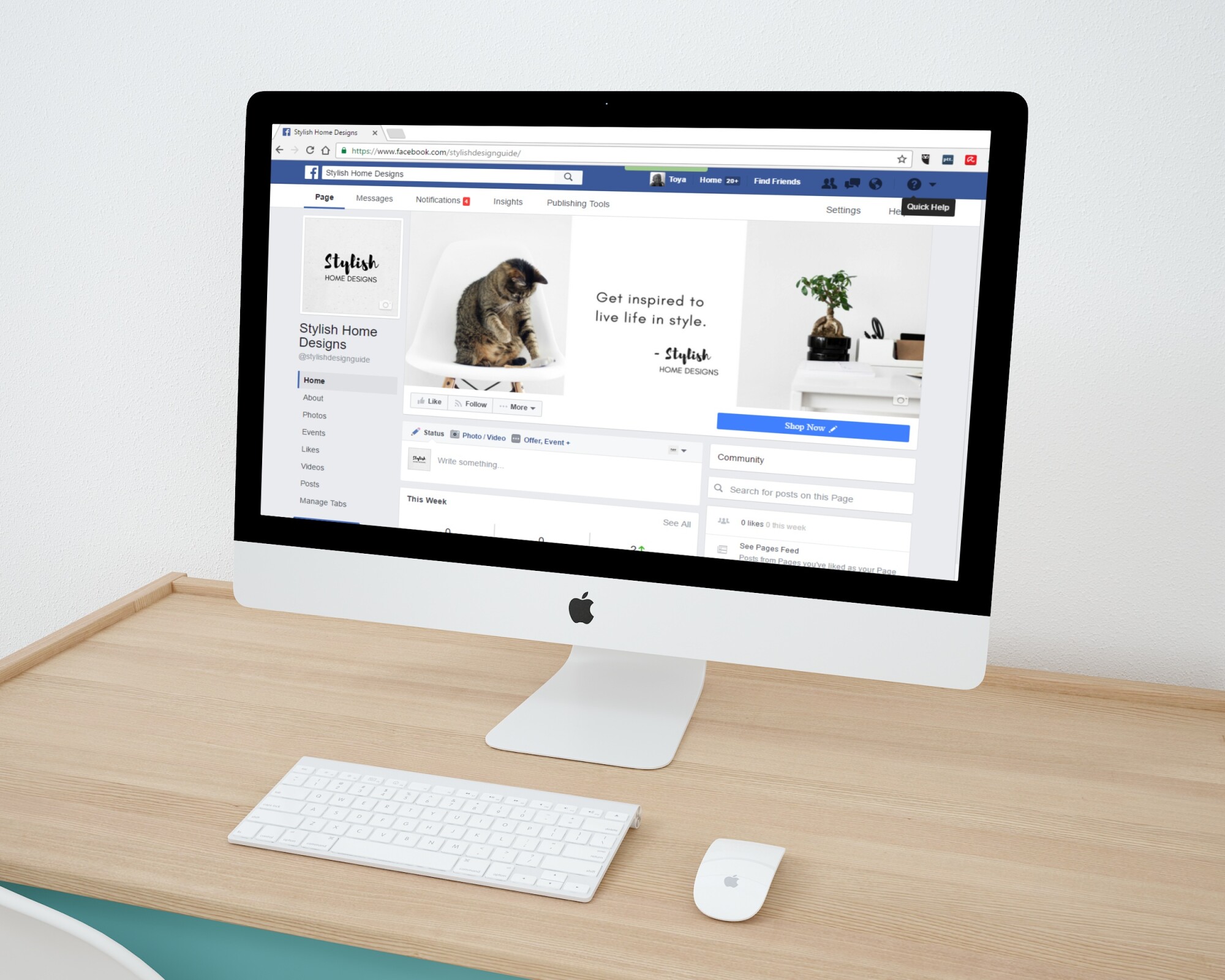
Social media is the best platform to take advantage of for your marketing campaign. The best thing about social media is that you get an additional layer of engagement. Most digital marketing platforms and strategies only allow you to send out information.
With social media, you can get direct interactions with your customers. Social media covers a variety of channels, like LinkedIn, Pinterest, and YouTube. The most popular social media today are Facebook, Twitter, and Instagram.
You can even use social media as an opportunity to build a brand personality. Depending on your niche, some apps will be more effective for certain audiences. For example, if you have a younger target audience, go to Twitter and Instagram.
Influencer and Affiliate Marketing
In line with social media marketing is influencer marketing. In this type of digital marketing, you partner with influencers. Social media influencers often have an established loyal following base.
By partnering with an influencer, you allow yourself to reach a wider audience. Followers often turn to influencers for product recommendations. When they promote your brand, their audience is more likely to give your brand a chance.
Similar to influencer marketing is affiliate marketing. Instead of partnering with an influencer, you hire third-party individuals or companies. In exchange for a small commission, you can promote your products on their blogs or websites.
PPC Marketing
PPC marketing is otherwise known as pay-per-click marketing. This is a popular advertising model where you only need to pay for the clicks your ad gets. PPC marketing may extend to affiliate marketing through ads on an affiliate’s website.
PPC marketing is a great marketing model for small start-up businesses. You don’t have to worry about an upfront cost, and you will only pay a minimal fee per click. If no one clicks on your ad, you don’t have to pay anything.
The cost per click will depend on your industry and which keywords you want to use. Some stronger keywords may cost as much as $50 or more.
SEO Marketing
SEO stands for Search Engine Optimization, and it’s a powerful tool in the digital world. In many ways, SEO serves as the beginning of every online experience. When users type a certain keyword in a search bar, SEO brings up the most relevant results.
With the right SEO marketing strategy, brand marketers can build their rank on SERPs. You can enhance your SEO marketing strategy with good keyword research and content. You can even do this with proper website optimization and backlink building.
These techniques make SEO a great form of inbound marketing. You can bring in users who may not have been looking for your brand in the first place.
SEM Marketing
SEO marketing helps websites rank through organic keywords and search results. On the other hand, SEM marketing allows you to increase web traffic through paid ads. SEM marketing places these ads on the search results page.
These ads appear at the top of the SERP, right before the organic search results. This enhances your visibility and lets new users know about your brand. You can even target certain audiences and create results based on a user’s location.
However, one must not rely on SEM marketing alone. To get the most out of your efforts, it’s best to incorporate a bit of SEO marketing too. This increases your chances of driving traffic to your website.
Email Marketing
Another form of direct marketing is email marketing. Email marketing is one of the most popular forms of marketing due to its effectiveness. Studies show that email marketing is 40x more effective than social media marketing.
Email marketing does not only allow you to promote products and services. This is also a great way to build loyal relationships and acquire crucial feedback. Email marketing is also a versatile channel.
You can send out emails to advertise a new service or product. Marketers also use this to send news and thank-you messages. Start by building an email list and strategizing personalized content.
Video Marketing
Visual data, like images and infographics, are effective tools in content creation. Humans process visual data faster than any other type of content. While it’s good practice to add charts and infographics to your blog posts, why not take it up a notch with videos?
Video marketing is a great way to reach new customers throughout all platforms. Many social media support video posts, and many more brands take advantage of this. You can tailor videos towards your audience and brand goals.
You can post a short video on Instagram or Facebook and make it go viral. If you wish to inform your users, you can make an explainer or demo video. You can use videos to appeal to your customers’ emotions so that they’d check out a new product or service.
The best part is that you’re not limited to live videos. Animated videos have their own strengths and can garner more customer engagement. These videos are often the most entertaining and eye-catching.
Instant Message Marketing
Instant messaging platforms now extend their services to brands who wish to advertise. Many businesses use instant message marketing to connect with their target audience. Aside from promoting products, brands also use this to answer customers’ questions.
However, instant message marketing requires a different approach. Messages must be short and actionable. It also helps to personalize your messages so that users actually open them.
WhatsApp and Facebook Messenger are some of the best platforms to start with. You may also try Telegram, WeChat, and Viber.
Audio Marketing
Audio marketing encompasses every audio channel, from radios to podcasts. You can even take advantage of music distribution channels like Spotify. Smart home assistants like Google Home and Amazon Alexa also support audio marketing.
Audio is a great medium due to its convenience. Many people still listen to the radio or podcasts while commuting to their workplace. Potential customers can listen to your ads and marketing scripts on the go.
The best part is audio scripts are a lot cheaper to produce than video content. You can even pull audio from an existing marketing video.
The Different Types of Digital Marketing
Now you know the different types of digital marketing. Knowing your digital marketing options gives you a better chance at penetrating the global online market. Use this as a guide and start strategizing your digital marketing campaign.
However, you don’t have to stop here! Looking for more business marketing tips? Check out our other blog posts to discover some of the best digital marketing tips.
Comments are closed.