

11 Web Design Tips for Small Businesses
Are you building a website for your business or thinking of hiring someone to do it for you? Building a website is surprisingly simple, but making it user-friendly and aesthetically pleasing is tough. Luckily, there are a few tips to help you get that perfect site.
A website design needs to please both customers and search engines. Read on for our must-know web design tips.
1. Optimize for Mobile
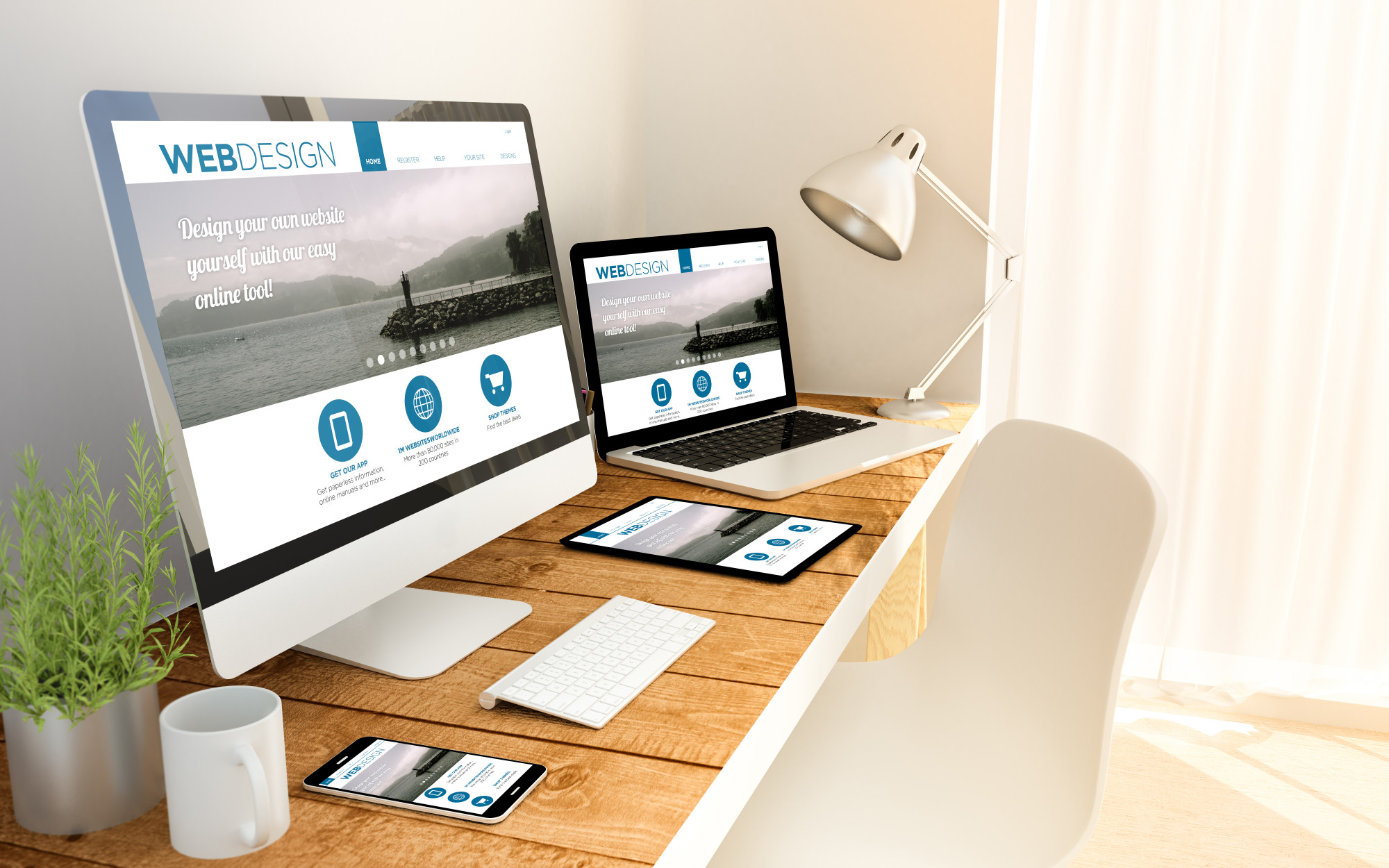
It is longer good enough to just have a great-looking, easy-to-use website. It also needs to work on mobile devices. Mobile devices have different screen sizes, shapes, and rules for loading.
In addition, search engines now rank mobile speed and usability in their rankings. This means you have to consider a great mobile website design to get results. Make sure it is fast and responsive, meaning it adapts to the size and shape of the device being viewed upon.
2. Make First Impressions Count
A customer will make a judgment on your website within the first few seconds of arriving. If it is messy, hard to navigate, or looks outdated, then they will move on and get their information or product elsewhere.
Not only do you lose customers, but the speed at which people leave, or remain on your site goes towards your SEO score. Your bounce rate measures how long people stay on a site, making assumptions about how useful and informative it is as a result. If people leave quickly, you will get penalized.
3. Use Visual Hierarchy
One proven method of designing a website for clarity is to employ a visual hierarchy. This principle keeps larger, more important items, such as big headlines and images, at the top. Moving down the page, items should get smaller, such as text and images.
This helps leads the visitor’s eyes, making navigation on the page easier for them. You can see this in operation on most websites, where small, less useful information like contact details and legal notices are placed at the bottom.
4. Spread Out Testimonials
Testimonials are like adding salt to food. A little works brilliantly but too much and the whole thing is ruined. Use this principle to spread out testimonials and reviews when building business websites.
Instead of placing them all on one page, add testimonials to each page. Place them neatly at the side, in the middle, or at the end of a page. By doing a little at a time, you sow the seeds of trust in your visitors without going overboard.
5. Build a Blog
More businesses are adding a blog section to their website. A blog is an excellent way of attracting the gaze of search engines. You can put the right keywords into your content and before long, people will be coming across your site when they search online.
The key is to make content that has value. It must solve a problem, such as a ‘how to’ guide or a product review. If not, then it must educate, by giving advice or help.
This way, people will come to see you as an expert in the field, and it will build trust. In addition, blog content can bring traffic through social channels when shared.
6. Choose the Right CMS
A CMS is a content management system. This is the software that makes the website run. You need to get the right CMS as it will make it easier for you to use and add new functions later, depending upon the industry and niche you are in.
Many developers may try to persuade you to use a custom-built CMS. However, many small businesses do not require this. Cheap or low-cost software is more than readily available, such as WordPress.
The best tactic is to discuss your needs with a website development company. Speak about your needs and see what they recommend.
7. Get the Domain Name Right
Your domain name is vital, as it is essentially the name of your business online. When choosing a name, people need to associate it with your brand and ideally, the product or service.
Some people advise short and easy names. However, it all depends on the brand you already have established. A long name is fine if it is the tag by which people associate you.
After this, you need to choose a domain extension. A .com website makes you look global and professional, though it may not be for everyone. As they are expensive, if you are not a global business, go for something that represents your country, such as a .us.
8. Pay Attention to Images
Images need a lot of thought when building a website. Firstly, you need to make sure they are the right size. They should also be served in next-generation formats, so they do not slow down the loading speed of your site.
Secondly, they need to be high quality. If you are selling products, then your images are replacing the touch and feel of the item in a physical store. Invest some money in a professional service or photographer to get excellent shots.
9. Make Contact Easy
Visitors to your website should be able to contact you easily. Make sure you have a dedicated contact page. It should include a comments box, email address, and phone number.
Optional extras could include a map to the business. If you really want to invest in excellent customer service, seek the services of a live, onscreen chat to troubleshoot any problems.
10. Keep Branding Consistent
Your website must display your brand. Keep all colors consistent with your logo, applying color theory if you have not already done so. Make sure your logo is displayed as soon as people visit your homepage and in menus throughout.
11. Index Your Site
For search engines to see your website, the site needs to be indexed. Use keywords, create proper URLs and a sitemap so that your site is easy to find and navigate. If you can build a basic knowledge of SEO, then you should be able to go far with just a little expertise.
Implementing Web Design Tips
When trying these web design tips, do not be afraid to get assistance. There are numerous freelancers available online who will help for nominal fees. Alternatively, you could hire a professional company to create the whole website for you.
If you enjoyed our blog, then visit the rest of our site. We have help on everything from web design to finance, to get your business online starting today!
Comments are closed.