

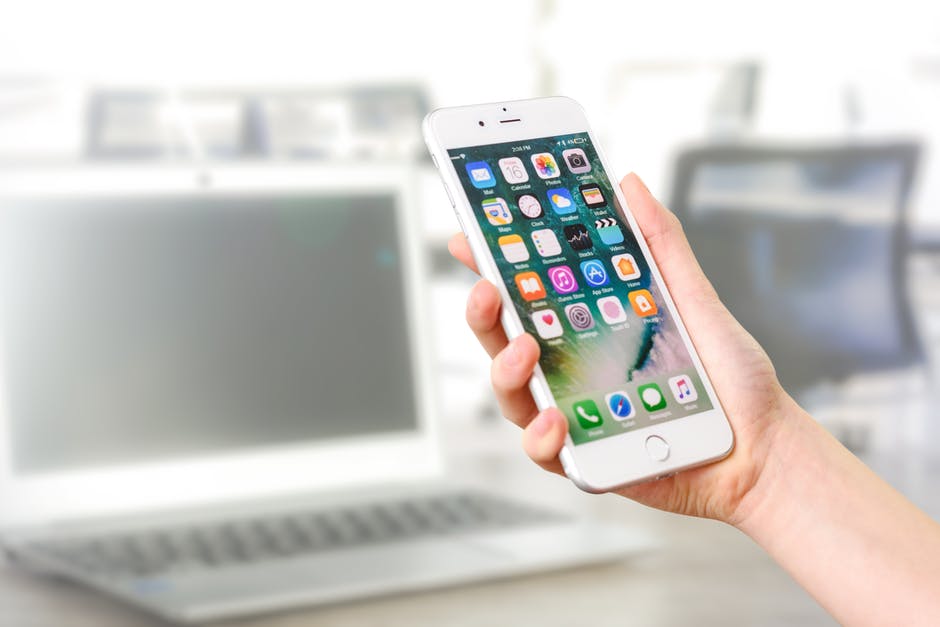
Taking A Look At The Top Mobile Apps To Hit The Market In 2019
With people’s dependence on mobile devices, mobile apps continue to sprout left and right. The year 2019 was a testament to the influence of mobile apps. Studies reveal that people spend 90% of their mobile time on apps.
Behind this number and other key factors, analysts predict that mobile app downloads will reach 258 billion by 2022.
But with so many apps to download on your iOS or Android device, you may wonder what were the top mobile apps in 2019? Apart from the usual suspects like Facebook, Messenger, and Instagram, others also left a lasting impact on millions of mobile device users last year.
Let’s take a look at some of the best mobile apps that people downloaded last year.
2019 App Industry at a Glance
Before we proceed with the list, let us first look at some key facts the helped shape the digital world in 2019. The number of smartphone users reached 2.7 billion across the world. Furthermore, there were 1.35 billion tablet users worldwide.
As for the two leading app resources, the Apple App Store boasted of 2.2 million apps available for download. On the other hand, rival Google Play Store carried 2.8 million apps for download.
Moreover, people used an average of 30 apps every month. When it comes to the global app market, 98% of users downloaded free apps.
Certain app categories also recorded the highest penetration rate among users. Gaming apps dominated the App Store taking 24.86% of share availability. For Google Play Store, tools and communication apps recorded the highest penetration rates at 99%.
Furthermore, the average American looks at their mobile phone every 12 minutes. They also open an app an average of 11 times a day. And mobile apps account for 57% of all digital media usage.
Top Mobile Apps
With all the numbers above, there is no doubt that the mobile app industry is in for a bright future. Now let’s take a look at seven of the top mobile apps that people downloaded in 2019 in no particular order.
Tiktok
Originally launched in 2016, it was only in 2019 when TikTok exploded. TikTok is a social video app that allows users to dance or lip-sync to songs. Other users can also watch other users singing or dancing.
In 2019, some of TikTok’s users ended up as viral sensations, adding to the app’s popularity.
People downloaded the app over 600 million times in 2019. This helped TikTok reached a milestone by surpassing the 1.5 billion global download mark on Google Play and the App Store.
It also became the third most-downloaded non-gaming app of 2019. It trailed WhatsApp and Facebook Messenger.
Recorder
Though this app was only available on the Google Pixel 4, it didn’t fail those who gave it a try. As the name implies, it is a voice-recording app that transcribes speeches in a real-time manner. This also covers music, background sounds, and even the audience’s applause.
Moreover, the app can archive your recordings. It can also make them searchable, allowing you to pull them up fast. Another plus for the app is that you can use it even if you do not have data or Wi-Fi connection.
Disney Plus
This new platform from entertainment giant Disney is the biggest threat to Netflix. Though it launched late in the year, Disney plus snagged 10 million subscribers in a single day. Like Netflix, it also comes with a subscription fee ($7/month).
The app features over 500 movies under the Disney franchise. It also comes with over 7,500 episodes of various TV shows. If you are looking for a dose of Marvel, Pixar, Star Wars, the Simpsons, and some Disney Classics, this is the app for you.
Glitch Video Effects
This video editing app lets you take photos and videos and add over a hundred different filters in an instant. Some of its most popular filters include the Xray, the Neon, the Shadow, and the Retro VHS filters.
Moreover, you can import videos from your gallery and add filters to them. You can also use some of the best music from your playlist and attach them to your videos.
Of course, you can share your videos across various social media platforms. These include Instagram, TikTok, Snapchat, and Facebook.
The app received over 10 million downloads. It also earned Google’s nod as the Play Users’ Choice App of 2019.
Spectre
iPhone users who love taking pictures experienced the wonders of the Spectre Camera. This photography app uses artificial intelligence (AI) technology to take long-exposure shots sans a tripod or other camera equipment.
This allows you to create shots that feature impossible effects. You can make people on a busy street disappear.
If you are an iPhone 11 or iPhone 11 Pro user, you need to try this app. After all, Apple didn’t hail it as its iPhone App of the Year for nothing.
Call of Duty: Mobile
Gamers loved 2019 for the mobile version of “Call of Duty.” The game enjoyed the largest mobile game launch in history back in October last year. During its first week of release, over 100 million users downloaded the game.
This beats erstwhile leaders “PlayersUnknown’s Battlegrounds” and “Fortnite.” The game is available on both iOS and Android for free.
Google Maps
Though Google Maps has been around since 2005, it was only recently when people started to see its value on their mobile devices. Whether you are looking for mechanical presses or a new restaurant, Google Maps will make sure you get to your destination.
Furthermore, the app introduced features like speed trap reporting, traffic incident reporting, Incognito mode, and a speedometer. Adding these features became Google’s attempt to keep Google Maps competitive with other navigational apps.
Keep Track of Technology
These top mobile apps of 2019 helped people in their tasks. Others added entertainment value to their mobile devices. But with 2020 already underway, we can expect to see new apps making waves in the coming months.
As a mobile phone user, you need to keep track of the latest tech offerings. We invite you to regularly check our site. We post some of the latest news and features on some of the hottest tech and gadgets.
Comments are closed.