

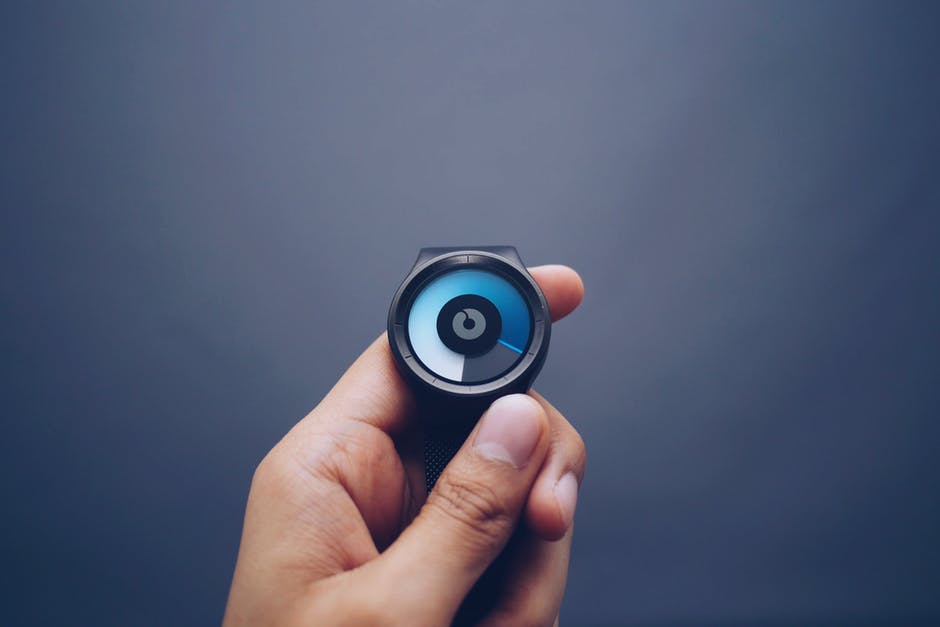
Watches tell a lot more than time: they tell your sense of style, the priorities you have in your life, and even give others a glimpse of how wealthy you are.
No outfit is complete without one, and there are many out there in the world for you to choose from.
However, in this day in age, a watch is also about the amenities and technology they hold within them.
Here are a few all-encompassing techy watches for you to keep your eyes out for as you hit the marketplace.
1. Sentel Tech Spy Watch Camera (with 2K Resolution)
If you’re looking for an all-purpose watch that shows off a bit of class while matching with almost any outfit, then look no further than this beauty right here.
It blends just as perfectly with workout clothes as it does a designer suit, thanks to the shiny silver accents it has throughout.
Modernization meets a timeless look as this is no ordinary watch. It also has a hidden camera lens in it as well. That high definition camera lens is capable of capturing video, pictures, and even the audio in everyday activities.
This watch is made for professional-grade surveillance, so you know it can be trusted to withstand a hit or two. It’s entirely waterproof as well, so no need to worry about it if you get caught in the rain.
The trick is to have a watch that serves more than one purpose while giving off the impression of being a wrist accessory that’s just for show.
Better yet, the watch and the camera run on two separate batteries. So if you aren’t keen to charge the watch every single night, you’ll still be able to tell time the next day.
Simply put: this watch offers a bevy of recording options for security and fun while also granting its owner ease of use and a stylish display. Perfect for those that justify purchases with products that offer several benefits.
2. Oliver Demangel’s Solaris Watch
Want to look like you’ve time-traveled to the party from the future with the watch you wear? Oliver Demangel’s Solaris watch certainly gives off that vibe.
It looks as if you’re preparing to beam up to space after the night is over with.
Gone are the days of the common hour and minute hands to tell the time for you as this watch tells the time by blue lights that are placed in the order of a clock.
Its sleek design gives off the vibe of a BMW sports car: futuristic, yet classy.
The best part is, it is solar-powered by the cells on its face so there won’t be a need for you to charge it ever again.
Sadly, it’s not for sale just yet. So if you’re willing to wait it out or add onto your collection, this piece should be in high demand in the near future.
3. Casio G-Shock Gravity Master Watch
Is there anything that the G-Shock can’t pull into a timely and trendy look? They’ve outdone themselves with the beautiful accents and finishes throughout this fine piece.
While this particular watch won’t have you recording video, it still serves a helpful mixture of GPS, solar panels for charging, and beautiful adjustments.
It’s bulky-yet-purposeful look will turn heads as you wear it during a workout routine, pickup basketball, or hiking the local trail.
However, it also exudes a classiness that ties in well with your finest suit. That way you get access to a trusted brand at a cost-efficient price.
4. Sony Ericsson LiveView Watch
Perhaps you chose this article looking for a type of smartwatch to pair with your Android phone. If so, your patience has paid off in the form of the Sony Ericsson LiveView.
It has all the capabilities that you’ve come to know an Apple Watch such as timekeeping, missed calls, and text display, but without the extra features you’ll never use.
Many people use their smartwatch as a way to avoid having to pick up their phone 3,000 times a day for no reason. If that’s you, then the LiveView is definitely a perfect match.
5. Rolex Milgauss
Is a watch list complete without a Rolex included in it somewhere? Definitely not!
As with any of its other watches, Rolex goes above and beyond to ensure its clients are given access to all of the features without the hassle.
This Milgauss edition has high resistance to the magnetic interference that most watches suffer from at one point or another. Its design is so elaborate that it has a shield in it’s interior to protect any and all interference to the watch’s features.
While a Rolex may be a significant cost, it’s always well worth the investment with preventative aspects like the interference protection involved.
Most importantly, it’s the mark of a higher class, which may be exactly what you’re searching for. If that’s the case, then it doesn’t get much better than the Rolex.
You Can’t Go Wrong With Techy Watches
Regardless of which of the copious amount of today’s techy watches that you choose from, the hi-tech features in them will serve you well.
Be sure to circle back on Donklephant frequently so that you can stay in the know with all technological advancements.
Good luck finding the watch that suits you best; sometimes it’s the watch that chooses you… not the other way around!
Comments are closed.